
Finding a mysterious hole in your backyard, garden, farm, or lawn can be alarming. Many homeowners immediately assume that a snake has created the hole and may be hiding inside. While this is a common
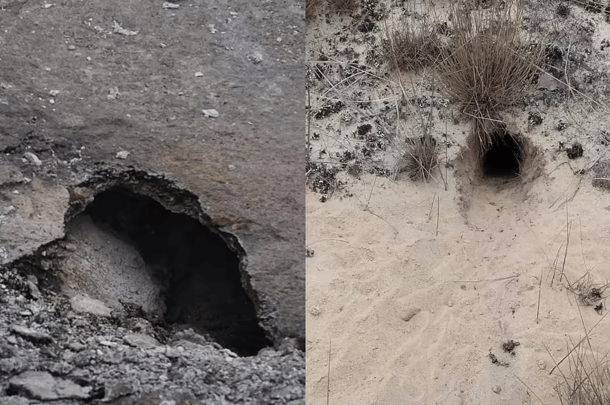
belief, wildlife experts explain that snakes rarely dig their own burrows. In most cases, the hole actually belongs to rodents or other small animals, and snakes simply use these existing shelters when needed. Understanding the difference between a snake hole and a rodent hole can help homeowners make informed decisions and avoid unnecessary panic.
Why Homeowners Often Mistake Rodent Holes for Snake Holes
The appearance of a hole in the ground often triggers concern because people associate underground spaces with snakes. However, snakes are generally not active diggers. Unlike rodents that constantly burrow to create nests and escape routes, snakes typically occupy abandoned burrows created by rats, mice, rabbits, or other animals. As a result, a hole found in a garden is much more likely to have been created by rodents than by a snake.
This misunderstanding can lead property owners to overlook an actual rodent infestation while focusing solely on the possibility of snakes. Since rodents can damage structures, contaminate food sources, and attract predators, identifying the true source of the hole is important.
Do Snakes Dig Their Own Holes?
Most snake species do not possess the physical adaptations necessary for extensive digging. Their bodies are designed for slithering, climbing, and hunting rather than excavating soil. Instead of creating new burrows, snakes often seek shelter in naturally occurring crevices, rock gaps, hollow logs, tree roots, or abandoned animal tunnels.
Although a few snake species may slightly enlarge existing openings, they generally rely on burrows already created by rodents or other wildlife. Therefore, finding a hole in a garden does not automatically indicate that a snake is responsible.
Characteristics of Rodent Holes
Rodent burrows have several identifiable features that can help homeowners determine their origin. Rat and mouse holes are typically round or oval and often have smooth edges due to repeated use. Freshly excavated soil may be visible around the entrance, indicating recent digging activity.
Rodent holes are usually connected to a network of underground tunnels used for nesting, food storage, and escape from predators. Homeowners may also notice droppings, gnaw marks, tracks, or damaged vegetation near the opening. These signs strongly suggest rodent activity rather than snake habitation.
Characteristics of Snake Shelters and Burrows
When snakes use underground shelters, they typically occupy existing holes rather than creating new ones. Snake-occupied burrows often lack freshly dug soil because the snake did not excavate the entrance. There may also be signs such as shed snake skin, slither tracks in soft soil, or occasional sightings of the snake entering or leaving the burrow.
Unlike rodents, snakes do not continuously modify or maintain underground tunnel systems. Therefore, a hole with extensive digging activity and fresh soil is more likely associated with rodents than snakes.
Common Animals That Create Garden Burrows
Several wildlife species are capable of creating holes and tunnels in residential landscapes. Rats and mice are among the most common burrowing animals found in gardens. Rabbits often create larger openings leading to nesting areas. Ground squirrels, moles, voles, and certain insects may also create noticeable holes in soil.
Because multiple species can produce similar-looking openings, it is important to look for additional signs before determining which animal is responsible. Professional pest inspections can provide accurate identification when uncertainty exists.
Why Rodent Burrows Attract Snakes
Snakes frequently enter rodent burrows because they provide shelter, protection, and access to prey. Rodents are a major food source for many snake species. Areas with significant rodent activity naturally become attractive hunting grounds for snakes.
This means that eliminating rodent infestations not only reduces property damage but may also decrease the likelihood of snakes being present around the property. Effective rodent control is therefore an important part of snake prevention strategies.
How to Safely Inspect a Hole in Your Garden
Homeowners should exercise caution when investigating any unknown hole. Avoid inserting hands, sticks, or tools into the opening, as doing so may disturb wildlife. Instead, observe the hole from a safe distance and look for surrounding signs such as tracks, droppings, shed skin, disturbed soil, or feeding evidence.
Photographs can be helpful for identification purposes. If there is any concern about potentially dangerous wildlife, professional pest control or wildlife management services should be contacted for assistance.
Signs That a Snake May Be Using a Burrow
Although snakes rarely create holes themselves, certain indicators may suggest a snake is using an existing burrow. Shed skin near the entrance is one of the most common clues. Slither marks in soft soil, especially after rain, may also indicate snake activity.
Occasional sightings of a snake entering or exiting the hole provide strong evidence of occupancy. However, even if a snake is present, the burrow was likely created by another animal initially.
Signs of Active Rodent Infestation
Rodent infestations often produce several visible warning signs. Fresh droppings, gnawed wood, damaged plants, food contamination, and multiple burrow entrances are common indicators. Rodents may also create runways through grass or vegetation that connect feeding and nesting areas.
Because rodents reproduce rapidly, even a small infestation can quickly become a significant problem. Early detection and treatment are essential for preventing extensive damage.
Preventing Burrowing Animals Around Your Property
Several preventive measures can reduce the likelihood of burrowing animals establishing themselves on a property. Keeping the yard clean and free of clutter removes potential hiding places. Proper storage of food, pet food, and garbage helps eliminate attractants.
Regular lawn maintenance, trimming overgrown vegetation, and removing debris piles can make the environment less appealing to rodents and other wildlife. Sealing gaps around structures also prevents animals from entering buildings and creating nests.
The Importance of Professional Rodent Control
If active burrows are discovered on a property, professional pest control services can help identify the species involved and implement appropriate treatment strategies. Rodent control professionals use inspections, monitoring systems, baiting programs, and exclusion techniques to eliminate infestations safely and effectively.
Professional treatment not only addresses existing rodent populations but also helps prevent future infestations that could attract snakes and other predators.
Why Accurate Identification Matters
Misidentifying a rodent burrow as a snake hole can delay proper pest management and allow infestations to worsen. Understanding the behavioral differences between snakes and rodents helps property owners take appropriate action and avoid unnecessary fear.
Correct identification ensures that control efforts target the actual problem, whether it involves rodents, snakes, or another type of wildlife. Professional inspections provide the most reliable method for determining the source of burrows and developing effective solutions.
Conclusion
Discovering a hole in a garden can be concerning, but it is important not to assume that a snake created it. In most cases, rodents or other burrowing animals are responsible for the excavation, while snakes may simply use these existing shelters occasionally. By observing physical signs, understanding wildlife behavior, and seeking professional assistance when needed, homeowners can accurately identify burrows and protect their properties from pest-related issues. Maintaining proper sanitation, reducing rodent populations, and conducting regular inspections are key steps toward creating a safer and pest-free outdoor environment.
Frequently Asked Questions (FAQs)
Q1. Do snakes dig holes in gardens?
Most snakes do not dig their own holes and instead use existing burrows created by rodents or other animals.
Q2. How can I tell if a hole belongs to a rodent?
Fresh soil, droppings, gnaw marks, and tunnel systems are common signs of rodent burrows.
Q3. Can snakes live inside rodent holes?
Yes. Snakes frequently occupy abandoned or active rodent burrows for shelter and hunting opportunities.
Q4. What should I do if I find a hole in my backyard?
Observe it from a safe distance, look for signs of activity, and contact a pest control professional if necessary.
Q5. Why are snakes attracted to rodent-infested areas?
Rodents serve as a primary food source for many snake species, making rodent-infested locations attractive hunting grounds.
Q6. Is it safe to fill a burrow immediately?
It is best to identify the animal first before sealing any hole to avoid trapping wildlife underground.
Q7. Can pest control professionals identify burrows?
Yes. Experienced pest control technicians can determine the source of burrows and recommend appropriate treatment.
Q8. How can I prevent burrowing animals in my garden?
Maintain cleanliness, remove clutter, secure food sources, trim vegetation, and schedule regular pest inspections.
