
Finding a cluster of unusual eggs while gardening can be surprising and sometimes alarming. Many people immediately assume they have discovered snake eggs and begin worrying about the possibility of venomous snakes nearby. However, experts say there is often no reason to panic. Most snakes that lay eggs around residential areas are non-venomous and can actually help maintain a healthier garden ecosystem by controlling pest populations.
Understanding how to identify snake eggs, where they are commonly found, and what to do if you discover them can help homeowners make informed and responsible decisions.
What Do Snake Eggs Look Like?
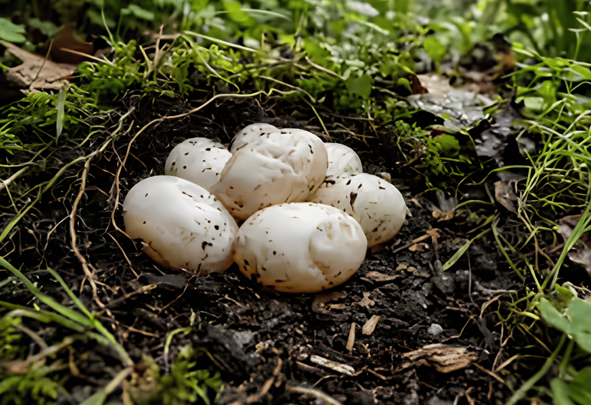
One of the easiest ways to identify snake eggs is by examining their appearance and texture. Unlike bird eggs, which typically have hard and brittle shells, snake eggs are soft, flexible, and leathery. They often feel rubbery when gently touched and may slightly compress before returning to their original shape.
This unique texture is due to the porous nature of the eggshell. The shell allows oxygen and carbon dioxide to pass through, which is essential for the developing embryo inside. Because of this porous structure, snake eggs are more sensitive to environmental conditions such as temperature and humidity than bird eggs.
Snake eggs are usually elongated or oval-shaped and are often found in clusters rather than individually. Their color ranges from white to off-white, depending on the species and surrounding conditions.
Where Are Snake Eggs Commonly Found?
Snakes prefer warm, protected, and humid environments for laying eggs. In gardens and residential properties, eggs are commonly discovered beneath piles of leaves, mulch, compost heaps, wood stacks, rocks, or dense vegetation.
These hidden locations provide a stable environment that helps maintain the moisture and temperature needed for successful incubation. Some snake species may also lay eggs in abandoned animal burrows or sheltered spaces around homes.
Because snake eggs require consistent environmental conditions, they are rarely found in open, exposed areas.
Why Snakes Lay Eggs Near Homes
The presence of snake eggs near a home does not necessarily mean the property is infested with snakes. Many snake species are attracted to gardens because they offer food sources such as rodents, insects, frogs, and lizards.
A well-maintained garden can unintentionally create ideal nesting conditions through mulch beds, compost piles, and dense ground cover. Female snakes seek out these protected areas to increase the chances of their eggs surviving until hatching.
In many cases, the snake leaves the eggs shortly after laying them, as most species do not provide parental care.
How Long Do Snake Eggs Take to Hatch?
The incubation period for snake eggs varies depending on the species and environmental conditions. Most snake eggs hatch within 45 to 70 days, although some species may require a longer period.
Temperature plays a critical role in embryo development. Warm and stable conditions generally promote successful incubation, while extreme temperatures can reduce hatch rates or harm developing embryos.
Humidity is equally important. If eggs become too dry, they may fail to develop properly. Excessive moisture can also create problems by encouraging fungal growth and bacterial contamination.
How to Tell If Snake Eggs Are Viable
People who discover snake eggs are often curious whether they are still alive or developing. Healthy snake eggs usually appear smooth, slightly firm, and free from mold or discoloration.
Collapsed, shriveled, or foul-smelling eggs may indicate that they are no longer viable. However, determining viability can be difficult without professional expertise.
Wildlife experts generally advise against handling snake eggs unnecessarily, as moving them can damage the developing embryos inside. Even slight changes in orientation may affect their development.
Are Snake Eggs Dangerous?
Snake eggs themselves are not dangerous. They do not contain venom and pose no direct threat to humans. The main concern for homeowners is whether a venomous snake species may have laid the eggs.
Fortunately, many egg-laying snakes commonly found around residential areas are non-venomous and play a beneficial role in controlling pests such as rats, mice, and insects.
If you are unsure about the species, it is best to avoid disturbing the eggs and seek guidance from local wildlife authorities or professional snake rescuers.
What Should You Do If You Find Snake Eggs?
If you discover suspected snake eggs in your garden, experts recommend staying calm and observing from a safe distance. Avoid touching, moving, or destroying the eggs.
Taking clear photographs can help wildlife professionals identify the species and provide appropriate advice. In regions where venomous snakes are common, contacting local animal control services or wildlife rescue organizations may be the safest option.
Removing eggs without proper knowledge can harm native wildlife and may violate local wildlife protection regulations in some areas.
The Ecological Importance of Snakes
Although many people fear snakes, they are an essential part of the ecosystem. Snakes help regulate populations of rodents and insects, reducing crop damage and limiting the spread of certain diseases.
By keeping pest numbers under control, snakes contribute to a healthier and more balanced environment. Their presence in gardens often indicates a functioning ecosystem rather than a problem.
Learning to identify snake eggs and understanding snake behavior can help homeowners coexist with these important reptiles while maintaining a safe outdoor space.
Conclusion
Discovering strange eggs in your garden can be unexpected, but snake eggs are often harmless and may belong to beneficial, non-venomous species. Their soft, leathery texture, oval shape, and hidden nesting locations are key identifying features.
Rather than reacting with fear, homeowners should observe carefully, avoid disturbing the eggs, and seek expert advice if necessary. Understanding the role snakes play in nature can help create a safer and more informed approach to wildlife encounters in residential gardens.
