
As April ushers in intense summer temperatures across India, households often begin noticing an increase in ant activity inside kitchens. Rising heat forces ants out of underground colonies in search of moisture, cooler spaces, and easily available food sources. Kitchens naturally become the primary target because they provide everything ants need to survive.
Understanding why ants invade your kitchen during summer is the first step toward effective prevention. Here are six common kitchen mistakes that unknowingly attract ants and practical solutions to keep your home pest-free this season.
1. Storing Atta and Pulses in Non-Airtight Containers
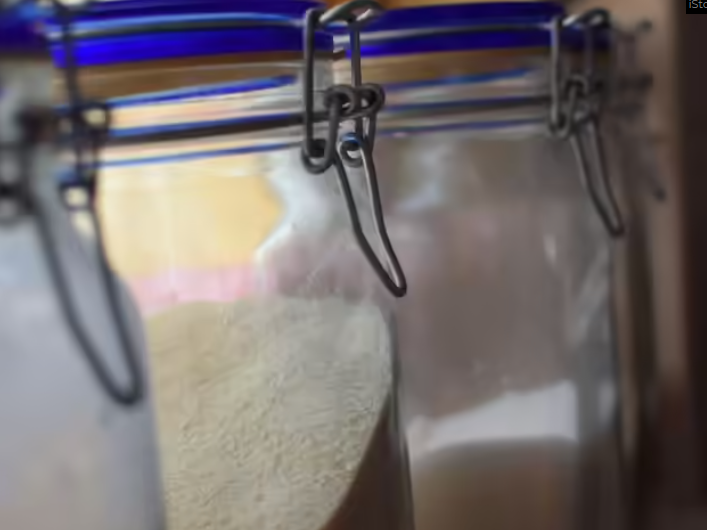
One of the biggest mistakes in Indian kitchens is storing flour (Atta), rice, or pulses in loosely closed containers. Even tiny flour particles left around the container lid can attract scout ants. Once a single ant discovers a food source, it leaves behind a scent trail that guides thousands more directly into your kitchen.
The Solution
Use high-quality airtight clip-lock containers for all dry food items. After every use, wipe the container rims and outer surfaces with a damp cloth to remove invisible food residue and scent trails.
2. Leaving Sugar and Prasad Exposed
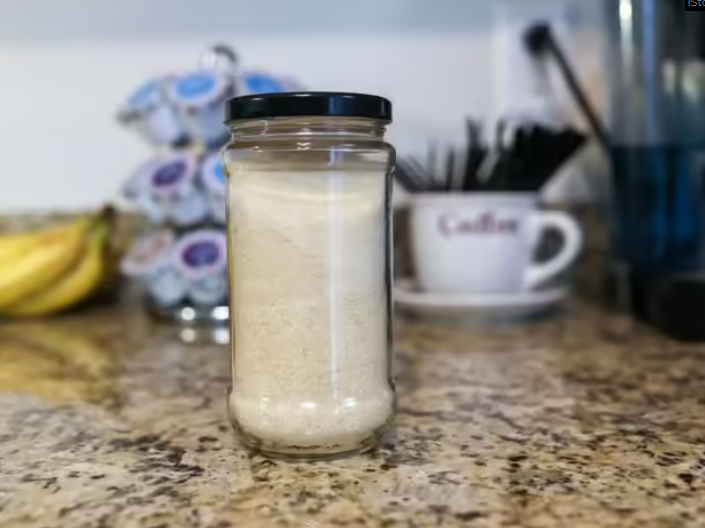
Sugar is one of the strongest attractions for ants because it provides instant energy for the colony. Many homes keep Prasad, sugar cubes, or sweets uncovered on kitchen counters or pooja shelves, unknowingly inviting ants indoors. Even a few sugar grains near the tea station can trigger a major infestation.
The Solution
Store sugar and sweets in tightly sealed jars or refrigerate them when possible. A traditional Indian remedy is placing cloves (Laung) inside sugar containers, as ants dislike their strong aroma.
3. Keeping Wet Kitchen Cloths Overnight
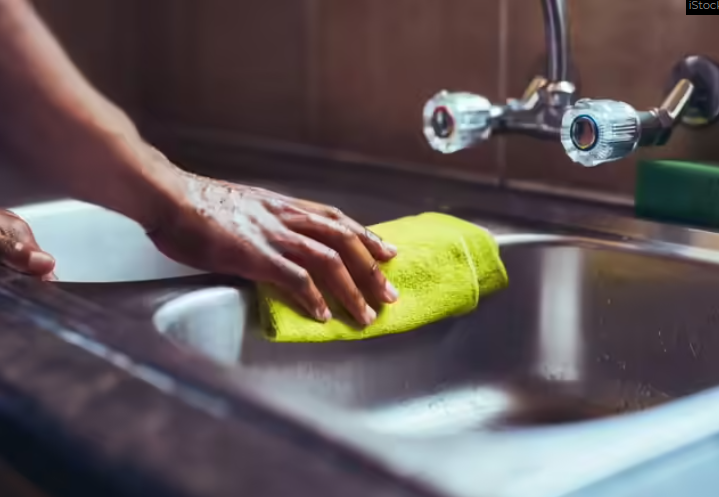
During the dry April heat, ants often search for water more desperately than food. Wet cleaning cloths, damp slabs, or small puddles near the sink create ideal hydration spots for ant colonies. Moist environments also encourage ants to gather and build trails.
The Solution
Always wring out kitchen cloths thoroughly and dry them in sunlight after use. Before sleeping, wipe kitchen counters and sink areas completely dry to eliminate water sources.
4. Allowing Food Waste to Sit in the Dustbin
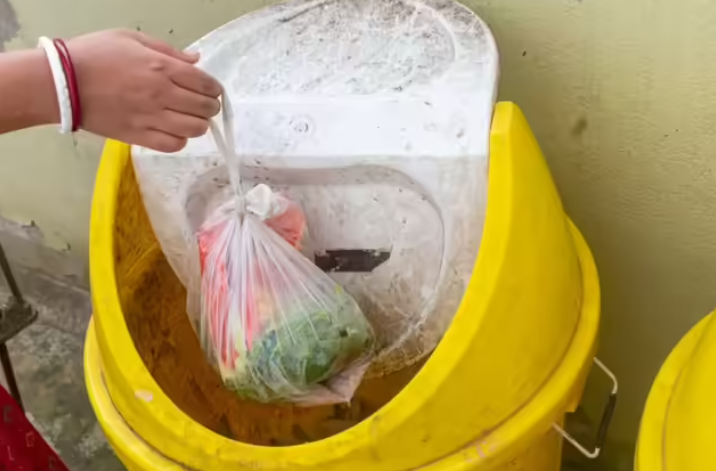
In hot weather, fruit peels, leftover Sabzi, and food scraps begin fermenting quickly, producing strong odors that attract ants from nearby colonies. An open or loosely covered dustbin can become a constant feeding station for pests.
The Solution
Use a dustbin with a tight foot-operated lid and dispose of kitchen waste every night instead of leaving it until morning. Sprinkling baking soda at the bottom of the bin can help neutralize food odors.
5. Leaving Pet Food Bowls on the Floor All Day

Pet food is rich in protein and fat, making it highly attractive to ants. Leaving pet bowls on the kitchen floor for long periods encourages ants to establish permanent trails inside your home.
The Solution
Practice timed feeding by removing the food bowl after your pet finishes eating. If food must remain out, place the bowl inside a larger shallow tray filled with water to create a protective moat that ants cannot cross.
6. Ignoring Small Cracks and Entry Points
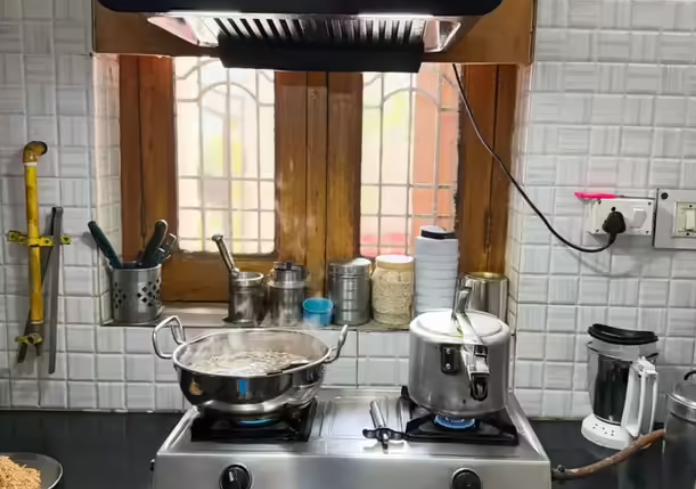
Tiny gaps in window mesh, cracks near kitchen slabs, or spaces between walls and countertops serve as entry highways for ants. These unnoticed openings allow ants to travel directly from gardens, balconies, or neighboring areas into your kitchen.
The Solution
Seal visible cracks using white cement or silicone sealant. For natural ant prevention, spray a mixture of white vinegar and water around windows, corners, and entry points weekly. Vinegar disrupts ant scent trails and discourages future infestations.
Protect Your Kitchen This Summer
Ant infestations become more common during April and the peak summer months due to extreme heat and water scarcity. Maintaining cleanliness, removing food residues, sealing entry points, and eliminating moisture can significantly reduce ant problems in Indian kitchens.
If the infestation becomes difficult to control, professional pest control services can help eliminate ant colonies safely and prevent recurring issues throughout the summer season.
