
Bed bugs are among the most dreaded household pests in the world. Tiny, blood-feeding insects that
emerge mostly at night, they can quickly turn peaceful sleep into a stressful experience. Although many people associate bed bugs with poor hygiene or modern city living, experts say these insects have existed for thousands of years and have evolved alongside humans since ancient times.
Understanding where bed bugs originate from, how they spread, and the best ways to prevent infestations can help homeowners respond effectively without panic.
Ancient Origins of Bed Bugs
Bed bugs are scientifically classified into two major species: Cimex lectularius, commonly found in temperate regions, and Cimex hemipterus, more prevalent in tropical climates. According to research highlighted in “The History of Bed Bug Management” by experts from the University of Kentucky, bed bugs likely existed long before humans appeared on Earth.
Researchers believe the insects originally lived as parasites on bats in caves. As early humans began inhabiting caves, bed bugs adapted to feeding on human blood instead of bat blood. Over centuries, they evolved into one of the most persistent household pests known today.
Archaeological evidence suggests bed bugs were present in ancient civilizations including Egypt, Greece, and Rome. Historical writings reveal that people have struggled with bed bug infestations for centuries, using herbs, oils, smoke, and other primitive methods to repel them.
Why Bed Bugs Are Making a Comeback
Although bed bug populations declined significantly during the mid-20th century due to widespread pesticide use, infestations have surged globally in recent decades. Experts attribute this resurgence to several factors.
Increased International Travel
Modern travel has become one of the biggest contributors to the spread of bed bugs. The pests can easily hitchhike on luggage, clothing, backpacks, and personal belongings. Hotels, airports, trains, and public transport systems create ideal opportunities for bed bugs to move from one place to another.
A single pregnant female bed bug transported unknowingly in a suitcase can eventually lead to a major infestation inside homes or hotels.
Resistance to Pesticides
Bed bugs have developed resistance to many commonly used insecticides. This makes them harder to eliminate compared to previous decades. Traditional sprays often fail to destroy entire colonies, allowing populations to rebound quickly.
Urban Living Conditions
Dense urban housing and apartment complexes also make infestations easier to spread. Bed bugs can travel through wall cracks, electrical outlets, furniture, and shared laundry facilities, moving from one apartment to another without detection.
How Bed Bugs Spread Inside Homes
Contrary to popular belief, bed bugs are not attracted to dirt or poor hygiene. They are drawn primarily to warmth, carbon dioxide, and human blood.
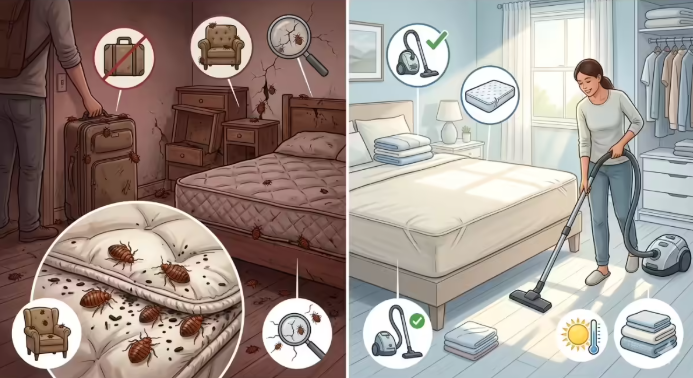
Bed bugs usually hide in:
- Mattresses and box springs
- Bed frames and headboards
- Upholstered furniture
- Curtains and carpets
- Cracks in walls or wooden furniture
- Electrical outlets and luggage
These insects are excellent at hiding during the day and typically emerge at night to feed while people sleep.
Infestations often begin after travel, second-hand furniture purchases, or bringing contaminated items into the home. Used mattresses, couches, and wooden furniture are common sources of hidden bed bugs.
Signs of a Bed Bug Infestation
Early detection is essential for successful treatment. Common signs include:
Bite Marks
Bed bug bites usually appear as small, itchy red welts on exposed skin such as arms, legs, neck, and shoulders. They often occur in clusters or straight lines.
Blood Stains on Bedding
Small reddish stains on sheets or pillowcases may result from crushed bugs after feeding.
Dark Spots and Shed Skins
Tiny black spots, which are bed bug droppings, may appear on mattresses or furniture. Bed bugs also shed their skins multiple times as they grow.
Musty Odor
Severe infestations can produce a sweet, musty smell caused by bed bug scent glands.
How to Prevent Bed Bugs
Preventing bed bugs requires awareness and regular inspection, especially for frequent travelers.
Inspect Hotel Rooms Carefully
When traveling, inspect hotel mattresses, headboards, and furniture before unpacking. Keep luggage elevated on racks away from beds and walls.
Wash Clothing After Travel
Clothes should be washed in hot water and dried on high heat immediately after returning from trips. Heat effectively kills bed bugs and their eggs.
Avoid Used Furniture Risks
Second-hand mattresses and upholstered furniture should be inspected thoroughly before bringing them home.
Reduce Clutter
Clutter creates hiding spots for bed bugs. Keeping living spaces organized makes detection and treatment easier.
Seal Cracks and Crevices
Sealing gaps in walls, furniture, and flooring can limit areas where bed bugs hide and spread.
Effective Bed Bug Treatment Options
Eliminating bed bugs often requires a combination of professional pest control and thorough cleaning.
Heat Treatment
Professional heat treatments are considered one of the most effective solutions. High temperatures can kill bed bugs at all life stages, including eggs.
Vacuuming and Steam Cleaning
Regular vacuuming and steam cleaning mattresses, carpets, and furniture can help reduce infestations.
Mattress Encasements
Special protective covers trap existing bugs inside mattresses and prevent new infestations.
Professional Extermination
Because bed bugs are highly resilient, severe infestations often require licensed pest control experts using integrated treatment methods.
Final Thoughts
Bed bugs may be tiny insects, but their impact on mental health, sleep quality, and household comfort can be enormous. Despite their association with modern travel and crowded cities, these pests have ancient origins that trace back thousands of years.
Understanding where bed bugs come from and how they spread is the first step toward prevention and control. With early detection, careful travel habits, and proper treatment methods, homeowners can significantly reduce the risk of infestations and maintain a pest-free environment.
