
Homeowners across many regions are reporting an increase in stink bug activity, especially during the
fall and winter seasons. Known for the foul odor they release when threatened or crushed, these pests can quickly become a nuisance inside homes.
Stink bugs get their name from the strong-smelling chemical they produce from specialized glands located on their abdomen. Some species can even spray this defensive chemical several inches when disturbed. The odor is often described as a mix of cilantro, coriander, skunk spray, and burnt rubber, making it highly unpleasant for homeowners.
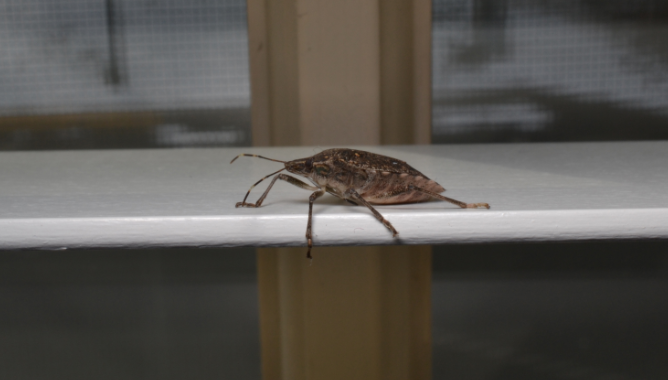
Why Do Stink Bugs Smell So Bad?
The chemical compounds released by stink bugs are similar to those found in herbs such as cilantro and coriander, which explains their distinctive scent. While the odor serves as a natural defense mechanism against predators, it can linger indoors for hours after a stink bug has been disturbed.
How to Get Rid of Stink Bug Smell in Your Home
If a stink bug enters your home, avoid crushing it. Squashing the insect triggers the release of its defensive odor, making the smell more difficult to eliminate.
Experts recommend the following steps:
- Use a vacuum cleaner to remove stink bugs safely.
- Immediately dispose of the vacuum bag or empty the canister outdoors.
- Open windows and improve ventilation to help dissipate the odor.
- Clean affected surfaces with mild soap and water to remove lingering scent residue.
Acting quickly can significantly reduce the duration and intensity of the smell inside your home.
How to Prevent Stink Bugs from Entering Your House
Preventing stink bugs from gaining access is the most effective long-term solution. Pest management professionals recommend the following prevention tips:
Seal Entry Points
Inspect your home’s exterior and seal cracks, gaps, and crevices around doors, windows, foundations, and utility lines.
Repair Damaged Screens
Replace torn window screens and repair damaged vent covers to block potential entry points.
Reduce Outdoor Lighting
Stink bugs are attracted to lights. Limiting unnecessary outdoor lighting can help reduce their activity near your home.
Eliminate Moisture Problems
Fix leaking pipes, clear clogged drains, and address excess moisture around the property.
Remove Food Sources
Store food in airtight containers, keep kitchen surfaces clean, and secure garbage bins to avoid attracting pests.
Improve Indoor Ventilation
Use exhaust fans, open windows when possible, and consider a dehumidifier for basements, attics, and crawl spaces.
Inspect Items Before Bringing Them Indoors
Check boxes, bags, furniture, holiday decorations, and firewood for hidden stink bugs before carrying them into your home.
Maintain Your Yard
Trim shrubs and tree branches away from the house, remove debris, and store firewood away from the foundation.
When to Call a Pest Control Professional
While occasional stink bugs can often be managed with preventive measures, recurring infestations may require professional intervention. Licensed pest control experts can identify entry points, assess infestation levels, and implement targeted treatments to prevent future problems.
If stink bugs continue to invade your home despite preventive efforts, contacting a professional pest control service is the most effective way to protect your property and maintain a pest-free environment.
