
A viral video from Sikkim has recently captured widespread attention across social media platforms after showing thousands of ants swarming around a vehicle’s fuel inlet. The unusual incident quickly sparked discussions among vehicle owners, with many claiming that ethanol-blended petrol such as E20, E80, or E85 was attracting the insects because of its sugarcane-based origin. However, automotive experts and scientists have now clarified the facts, debunking the misconception and explaining the actual reasons behind the phenomenon.
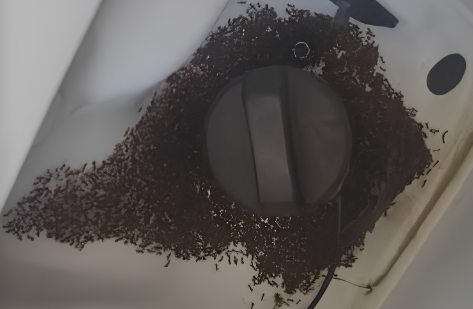
The Viral Video That Started the Debate
The video, which circulated rapidly on social media, showed a large number of ants clustered around a vehicle’s fuel cap area. As the footage gained popularity, several users speculated that the insects were being attracted to ethanol-blended fuel due to its association with sugarcane and corn. Since ethanol is produced from agricultural crops, many assumed that traces of sugar remained in the fuel and were drawing the ants.
This theory quickly gained traction online, creating concerns among vehicle owners who regularly use ethanol-blended petrol. However, experts have emphasized that the assumptions are scientifically inaccurate.
Does Ethanol-Blended Petrol Contain Sugar?
One of the biggest misconceptions surrounding the incident is the belief that ethanol fuel contains sugar. According to fuel experts, the industrial process used to manufacture ethanol removes sugars completely. During fermentation and distillation, sugar molecules are converted into alcohol, leaving no residual sugar in the final fuel-grade ethanol.
As a result, fuels such as E20, E80, and E85 do not contain sugar that could attract ants or other insects. The fuel sold at petrol stations undergoes strict quality control and refinement processes, ensuring that it meets automotive standards and contains no food-like substances.
This fact alone effectively disproves the theory that the ants gathered around the vehicle because they were searching for sugar.
Why Were the Ants Gathering Around the Fuel Inlet?
Experts suggest that the ants were likely attracted by environmental conditions rather than the fuel itself. Ants are highly sensitive insects with an exceptional sense of smell. They can detect various chemical compounds and odors from considerable distances.
In the case of the viral video, specialists believe there are several possible explanations:
- Presence of fuel vapors around the fuel inlet.
- Small traces of spilled fuel near the cap.
- Residual odors from previous refueling activities.
- A warm and sheltered location suitable for nesting.
- Moisture accumulation around vehicle components.
These factors can create an environment that attracts ants seeking shelter or investigating unfamiliar scents. The insects may simply have been using the fuel inlet area as a temporary gathering spot rather than being drawn by the fuel composition itself.
The Role of Fuel Vapors and Residues
Fuel vapors are known to emit strong odors that can attract or repel insects depending on environmental conditions. If a small amount of petrol was accidentally spilled during refueling, traces could remain around the cap or fuel door area.
Ants often investigate new scents while searching for resources or nesting opportunities. In warm climates or during seasonal changes, vehicle cavities can provide protection from weather conditions, making them appealing locations for insect activity.
Therefore, experts believe that residual fuel odors and sheltered conditions are far more likely explanations than any supposed sugar content in ethanol-blended petrol.
Is Ethanol Harmful to Ants?
Ironically, scientific evidence suggests that ethanol is not attractive as a food source for ants. In fact, high-concentration ethanol can be harmful to insects.
Pure ethanol is an alcohol that can act as an insecticidal substance when it comes into direct contact with insects. Exposure to concentrated ethanol may damage their protective outer layers, leading to dehydration and death.
Because of these properties, ethanol is generally considered toxic to many insect species rather than something they actively seek out. This further supports expert conclusions that the ants in the viral video were not gathering because they were feeding on ethanol.
Understanding India’s Ethanol-Blended Fuel Program
The viral incident occurred during a period when India is significantly expanding its biofuel initiatives. The government has actively promoted ethanol blending to reduce dependence on imported crude oil, lower emissions, and support domestic agriculture.
The E20 fuel program, which contains 20 percent ethanol blended with petrol, has been introduced across the country as part of India’s long-term energy strategy. Authorities are also exploring higher ethanol blends and future biofuel technologies to enhance sustainability.
While ethanol-blended petrol has become increasingly common, there is no scientific evidence indicating that these fuels attract ants or other insects due to their plant-based origins.
What Vehicle Owners Should Do
Although experts have dismissed concerns about ethanol attracting ants, vehicle owners should still practice proper maintenance to prevent insect infestations around their vehicles.
Some useful preventive measures include:
- Clean fuel caps and surrounding areas regularly.
- Wipe away any spilled fuel immediately after refueling.
- Inspect parked vehicles for insect nests or colonies.
- Avoid leaving food residues inside vehicles.
- Park in clean and dry environments whenever possible.
Routine maintenance can significantly reduce the likelihood of ants or other pests gathering around vehicle components.
Social Media Misinformation and Scientific Facts
The incident serves as a reminder of how quickly misinformation can spread online. Viral videos often lead to assumptions that may appear logical but lack scientific support. In this case, the connection between sugarcane-derived ethanol and ant attraction sounded plausible to many viewers, but experts have confirmed that the theory does not hold up under scientific scrutiny.
Understanding the manufacturing process of ethanol and the behavior of ants helps clarify the situation. The insects were most likely responding to environmental factors such as odors, shelter, or residue rather than the fuel itself.
Conclusion
The viral Sikkim video showing ants swarming a vehicle’s fuel inlet sparked widespread speculation about ethanol-blended petrol attracting insects. However, scientific analysis and expert opinions have thoroughly debunked this claim. Fuel-grade ethanol contains no sugar, making it highly unlikely to attract ants as a food source. Instead, factors such as fuel vapors, residual odors, warmth, and shelter are considered the most probable reasons behind the unusual gathering.
As India continues expanding its ethanol-blended fuel program, vehicle owners can remain confident that these fuels are not responsible for attracting ants. Proper vehicle maintenance and cleanliness remain the best ways to prevent insect-related issues and ensure smooth vehicle operation.
