
Premium Indian Mango Exports Hit by Japan’s Import Ban Amid Quarantine Concerns
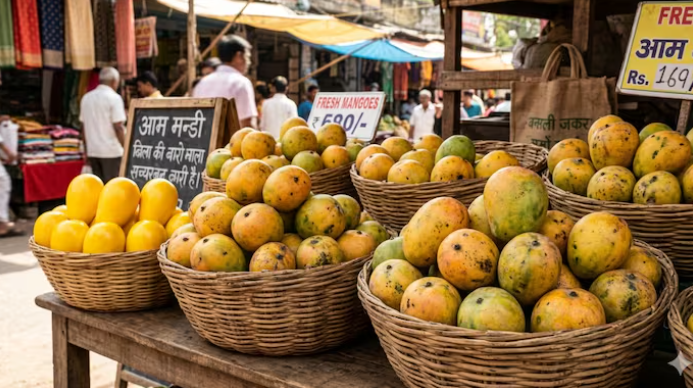
India’s mango export sector has received a major setback after Japan temporarily suspended imports of Indian mangoes, citing concerns over pest-control and quarantine compliance at approved export treatment facilities. The decision comes at the peak of the summer mango season, affecting exporters, farmers, and traders who depend on international markets for premium mango sales.
The suspension impacts some of India’s most sought-after mango varieties, including Alphonso, Kesar, Langra, and Banganapalli, all of which enjoy strong demand among Japanese consumers. The move is expected to disrupt export volumes and create additional financial pressure on growers already grappling with lower yields and climate-related crop challenges.
Japan Flags Deficiencies in Export Treatment Procedures
According to reports, Japanese quarantine authorities identified shortcomings in pest-control protocols followed at certain Indian export treatment centers responsible for preparing mango consignments for overseas shipment. These facilities play a critical role in ensuring fruits meet the stringent phytosanitary standards required by importing countries.
Japan maintains some of the world’s strictest agricultural import regulations to prevent the introduction of harmful pests and plant diseases. Before entering the Japanese market, Indian mangoes must undergo approved treatment processes designed to eliminate insects, larvae, and other quarantine pests.
The suspension reportedly stems from concerns that some export consignments may not have fully complied with these requirements. As a precautionary measure, Japanese authorities decided to halt imports until corrective actions and compliance verification measures are implemented.
Blow to India’s Premium Mango Export Market
Japan is considered a high-value destination for Indian mango exports. While export volumes to Japan may be smaller than shipments to the Middle East, the market offers premium pricing due to strong consumer demand for high-quality Indian mangoes.
Varieties such as Alphonso and Kesar are particularly popular among Japanese buyers because of their rich flavor, aroma, and superior quality. Exporters invest significantly in specialized packaging, treatment procedures, and logistics to cater to this niche market.
Industry stakeholders fear that the suspension could result in immediate losses for exporters who have already harvested, processed, and prepared mango shipments for the Japanese market. Delays or cancellations during the short mango season can significantly affect profitability.
Farmers Face Additional Challenges
The import suspension comes at a difficult time for mango growers across several Indian states. Many farmers have already reported crop losses due to unseasonal weather conditions, fluctuating temperatures, and irregular rainfall patterns that affected flowering and fruit development.
With domestic production impacted and export opportunities shrinking, growers may struggle to secure favorable prices for their produce. The inability to access premium overseas markets could increase supply within the domestic market, potentially placing downward pressure on prices.
Agricultural experts note that export markets often provide higher returns to farmers and help stabilize incomes during periods of production volatility. Any prolonged disruption in international trade can therefore have wider economic consequences for the horticulture sector.
Importance of Phytosanitary Compliance
The latest development highlights the growing importance of strict pest management and phytosanitary compliance in global agricultural trade. Countries importing fresh fruits and vegetables require exporters to meet rigorous standards to ensure that agricultural products do not introduce invasive pests or plant diseases.
Export treatment facilities are responsible for implementing approved pest-control measures, maintaining detailed records, and adhering to internationally recognized protocols. Regular inspections and audits are conducted to verify compliance.
Experts emphasize that even minor procedural lapses can trigger import restrictions, as importing countries prioritize biosecurity and agricultural protection. Maintaining consistency in treatment processes is essential for preserving market access and protecting export reputations.
Government and Industry Response Expected
Indian agricultural and export authorities are expected to engage with their Japanese counterparts to address the concerns raised during inspections. Industry representatives anticipate that corrective measures, facility audits, and enhanced monitoring procedures may be introduced to restore confidence in India’s export systems.
Stakeholders are hopeful that the suspension will remain temporary and that exports can resume after compliance issues are resolved. Similar trade disruptions in the past have often been addressed through technical consultations, additional inspections, and strengthened quality control mechanisms.
Exporters are also urging authorities to expedite discussions to minimize losses during the remaining mango season. Since mangoes are highly perishable, delays in market access can quickly affect product quality and commercial viability.
Long-Term Impact on Mango Exports
The suspension serves as a reminder of the increasing scrutiny faced by agricultural exporters in global markets. As international food safety and plant health standards continue to evolve, exporters must invest in advanced pest-control technologies, staff training, and compliance systems to remain competitive.
India remains one of the world’s largest mango producers and exporters, with growing demand from markets across Asia, Europe, the Middle East, and North America. Maintaining strong phytosanitary standards will be crucial for safeguarding this position and ensuring uninterrupted access to premium international markets.
For now, exporters, growers, and industry stakeholders await further clarification from authorities as efforts continue to resolve the issues identified by Japanese inspectors. The outcome of these discussions will determine how quickly Indian mangoes can return to one of their most valuable overseas destinations.
