
Mosquitoes are among the most annoying household pests, especially during warm and humid seasons. While sprays, coils, and electric repellents are commonly used to control them, many people are now turning to natural alternatives for a safer and eco-friendly solution. One of the easiest and most effective options is growing mosquito-repellent indoor plants.
These plants not only help reduce mosquitoes naturally but also improve indoor air quality and add beauty to your home décor. However, simply keeping these plants indoors is not enough. Proper care, sunlight, watering, and maintenance are important to keep them healthy and effective.
Here is a detailed guide to some of the best mosquito-repellent indoor plants and how to grow them successfully at home.
Lavender Plant: A Fragrant Mosquito Repellent
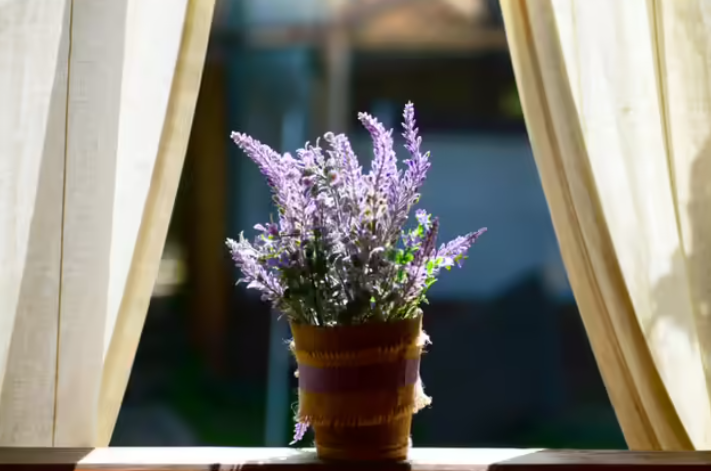
Lavender is widely known for its calming fragrance and beautiful purple flowers. While people enjoy its soothing scent, mosquitoes strongly dislike it, making lavender one of the best natural mosquito-repellent plants for indoor spaces.
Lavender grows best in bright sunlight. It should ideally be placed near sunny windows, balconies, or areas where it can receive at least five to six hours of direct sunlight every day. Since lavender prefers dry conditions, overwatering should be avoided.
The soil should remain slightly dry between watering sessions. Using a pot with proper drainage holes is important because waterlogged soil can quickly damage the roots. Occasional trimming also helps lavender grow bushier while maintaining its strong fragrance.
Besides repelling mosquitoes, lavender also creates a relaxing atmosphere inside the house.
Tulsi Plant: Traditional and Effective Mosquito Control
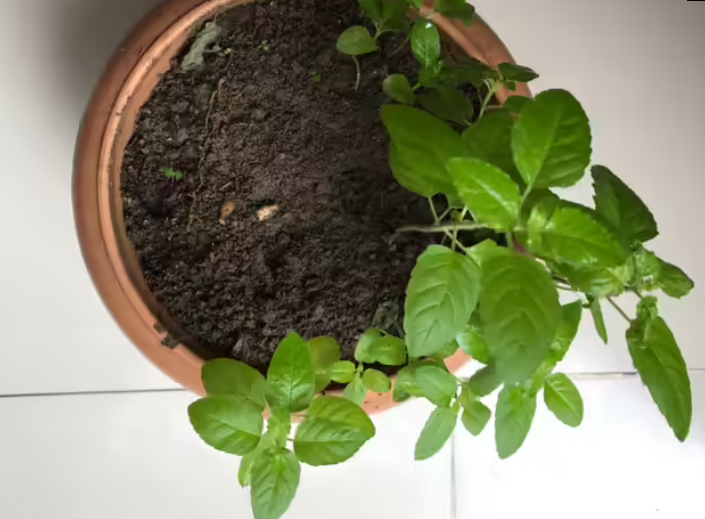
Tulsi, also known as Holy Basil, is one of the most commonly grown plants in Indian homes. Apart from its religious and medicinal importance, tulsi is highly effective in keeping mosquitoes away naturally.
Tulsi is very easy to maintain indoors. It grows well in warm environments and requires four to six hours of sunlight daily. Placing the plant near a window with good sunlight exposure helps it grow healthier.
The soil should remain moist but not overly wet. Excess water can damage the roots and reduce the plant’s growth. Regular pruning of the top leaves encourages tulsi to become fuller and healthier.
Tulsi also releases a refreshing aroma that helps purify the indoor environment while acting as a natural mosquito deterrent.
Mint Plant: Low-Maintenance and Fast Growing
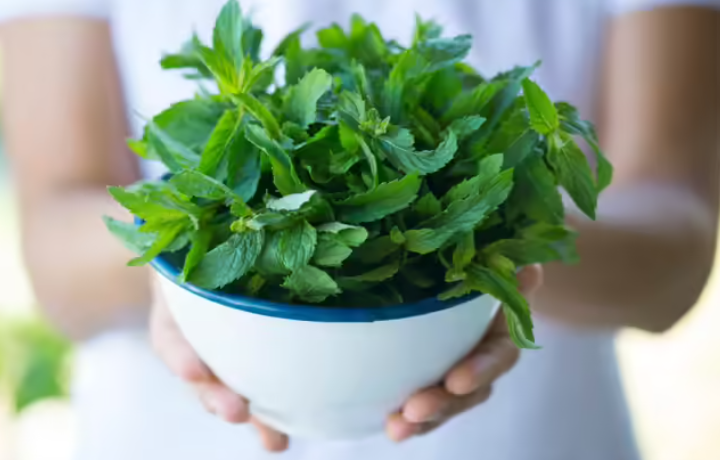
Mint is another excellent indoor plant that naturally keeps mosquitoes away because of its strong smell. It is considered one of the easiest herbs to grow at home and requires very little maintenance.
Unlike some other mosquito-repellent plants, mint prefers partial sunlight rather than harsh direct sunlight. It grows well in moderately bright indoor spaces with indirect light.
The soil should be kept moist, but overwatering should still be avoided. Mint spreads very quickly, so it is best grown in a separate pot to prevent overcrowding with other plants.
Regular trimming keeps the plant healthy and encourages faster growth. Fresh mint leaves can also be used in tea, drinks, salads, and cooking, making it both useful and decorative.
+Citronella Plant: Natural Mosquito-Repellent Scent75/86*9-+]\7/
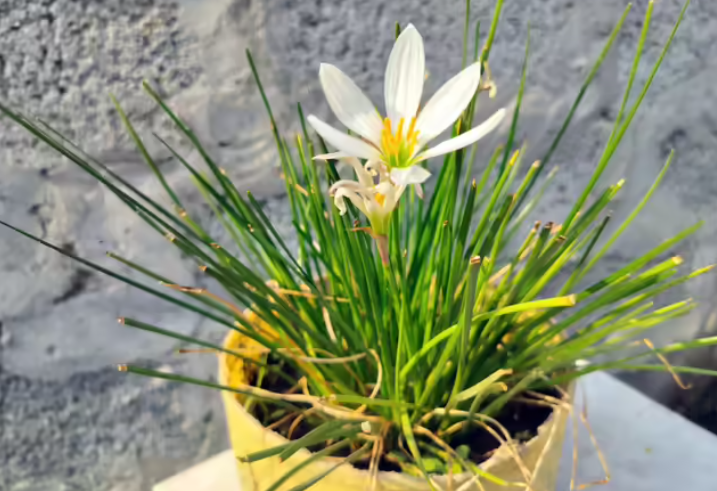
Citronella is one of the most famous mosquito-repellent plants because of its strong citrus fragrance. Many mosquito-repellent sprays and candles also use citronella oil as a key ingredient.
This plant requires bright sunlight to grow properly. Keeping it near a balcony, open window, or well-lit indoor area helps maintain its health and fragrance.
Citronella should only be watered when the top layer of soil feels dry. Overwatering may weaken the roots and reduce the plant’s effectiveness. Since citronella can grow tall, using a slightly larger pot is recommended.
Good airflow around the plant helps spread its citrus scent more effectively, increasing its mosquito-repelling benefits inside the home.
Lemongrass Plant: Easy Indoor Mosquito Protection
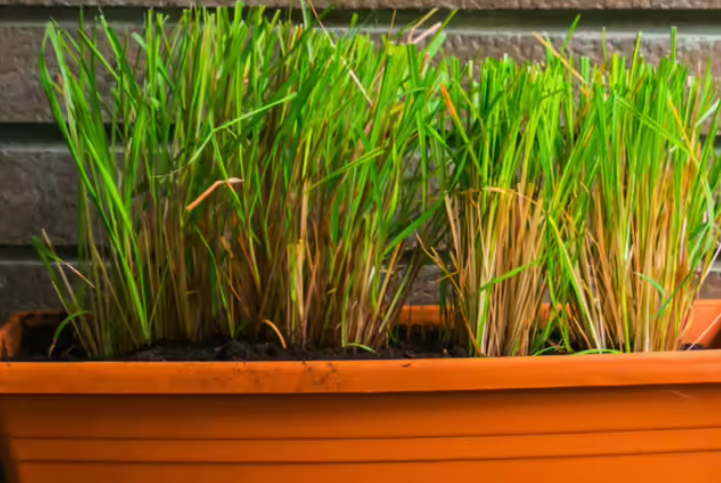
Lemongrass is another highly effective natural mosquito repellent because it contains citronella oil. Its fresh lemon-like aroma helps keep mosquitoes away while adding freshness to indoor spaces.
Lemongrass grows best in bright sunlight and should be placed in well-lit locations. Regular watering is important, but the soil should always have proper drainage to prevent water accumulation.
This plant grows in thick clumps, so providing enough space in the pot helps maintain healthy growth. Trimming the leaves occasionally encourages fresh growth and keeps the plant neat.
Apart from mosquito control, lemongrass is also commonly used in herbal teas, soups, and natural remedies.
Why Indoor Mosquito-Repellent Plants Are a Smart Choice
Indoor mosquito-repellent plants offer several benefits beyond pest control. Unlike chemical sprays and repellents, these plants are natural, safe, and environmentally friendly. They also improve indoor air quality, reduce stress, and enhance home aesthetics.
Experts suggest placing these plants near windows, doors, balconies, and seating areas where mosquitoes commonly enter or gather. Combining multiple mosquito-repellent plants can improve effectiveness naturally.
With proper care and maintenance, plants like lavender, tulsi, mint, citronella, and lemongrass can help create a fresher, greener, and mosquito-free indoor environment without relying heavily on chemicals.
